
Postpartum Fitness in San Francisco: Where Do I Start? | PowerPlaySF
October 2, 2026
How Do I Get Back Into Postpartum Fitness in San Francisco?
Start with movement that feels manageable, rebuild strength gradually, and seek support for your physical and emotional recovery. Your needs may change from week to week, and you don’t have to navigate them alone.
There’s so much preparation for having a baby. After the baby arrives, another transition begins: getting to know yourself as a mom.
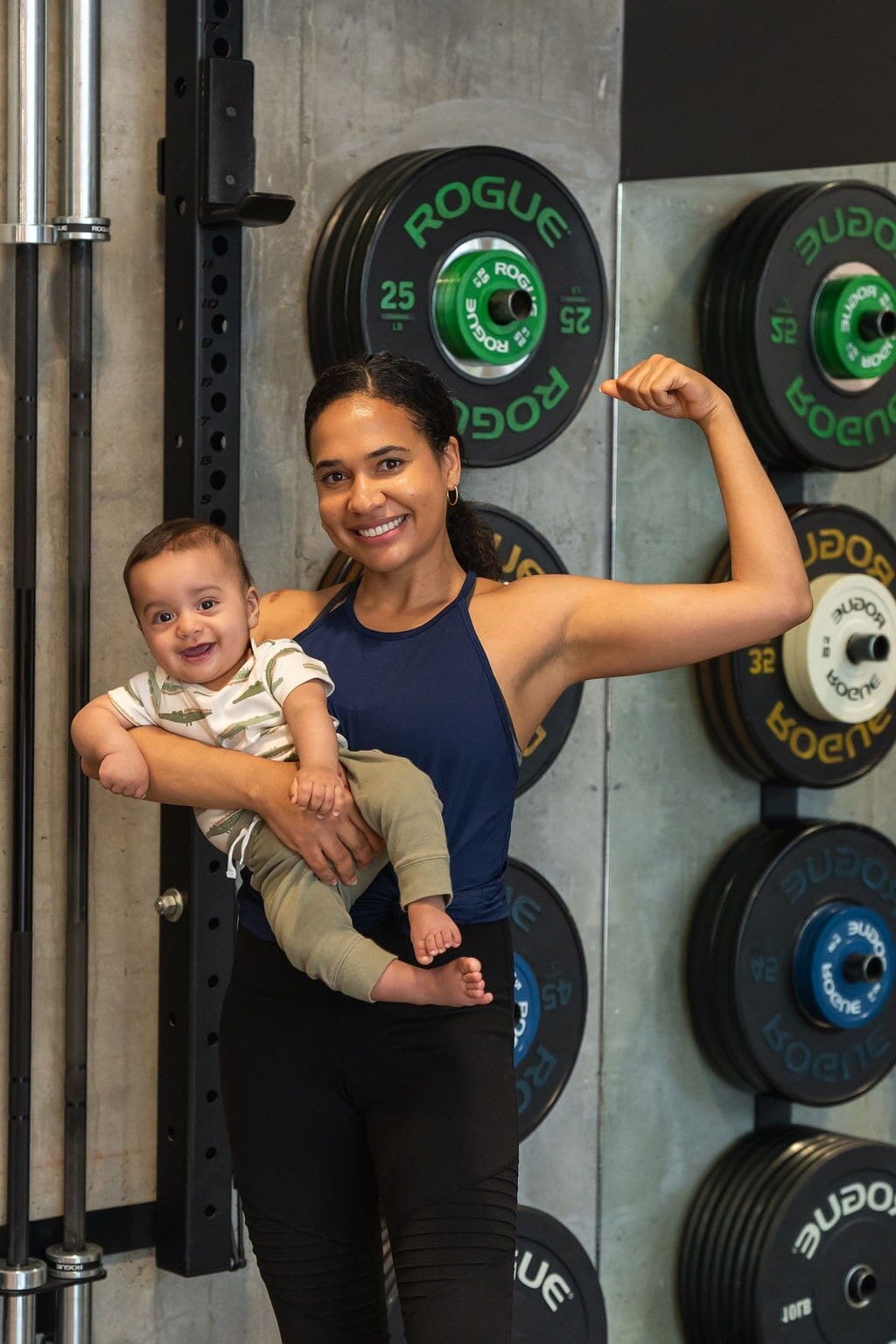
At our recent Back to You event, Coach Kwanua, Coach Tiffany, who is also a chiropractor, and Licensed Marriage and Family Therapist Lilac Kenner joined us to talk about rebuilding strength, mental health, identity, and support.
Support for the Whole You
Our approach follows four pillars: Movement, Nutrition, Recovery, and Mindset. Postpartum, movement might mean gradually reconnecting with your body. Nutrition might mean finding simple ways to stay nourished. Recovery might mean rest or getting help with physical discomfort. Mindset includes how you’re feeling about yourself as your life changes.
A published analysis of the transition to motherhood identifies changes in identity and self-image as part of that experience. Instead of asking when you’ll “get back” to who you were, try asking: Who am I in this season?
You can love your baby and miss parts of your old life. You can feel strong one day and need help the next. If you’re looking for a place to start, think of one part of your life that still feels like you, whether it’s a friendship, a hobby, or a way you like to move. What’s one small way you could make space for it this week?
Ready to talk about movement that fits your life right now? Book a discovery call with PowerPlaySF
Finding the Right Support Postpartum
You shouldn’t have to navigate every part of postpartum life alone. The PowerPlaySF ecosystem of trusted partners includes chiropractors, marriage and family therapists, pelvic floor therapists, and lifestyle and nutrition coaches. Alongside our training team, they offer support for different needs as they come up.
Whether you have questions about pelvic floor symptoms, physical discomfort, nutrition, or the emotional transition into motherhood, our goal is to help you connect with the right kind of support.
Mental health is part of that conversation. The CDC reports that about 1 in 8 women with a recent live birth reported symptoms of postpartum depression. If sadness, anxiety, or disconnection feels persistent or difficult to manage, reach out to a healthcare or mental health professional.
Connection with other moms matters, too. In a study of 387 mothers, maintaining social groups they belonged to before having a baby was associated with better postpartum mental health. A workout, stroller walk, or conversation can also be a chance to connect with people who understand this season.
Lilac Kenner will return to PowerPlaySF for two upcoming conversations, one prenatal and one postpartum. These sessions will give us more time to talk about the mental and emotional sides of these transitions and ask the questions we only began to explore at Back to You.
REGISTER FOR THE PRENATAL SESSION
REGISTER FOR THE POSTPARTUM SESSION
At PowerPlaySF, getting stronger is part of the journey. So is finding the support you need along the way.
Leave a Reply Cancel reply

Brand + web design by madeline Wiggins | Brand strategy by comeplum
copyright 2026 powerplaysf. |
Terms of service |
privacy policy |


Be the first to comment